 +1 304-930-0360
 contact@azrtl.org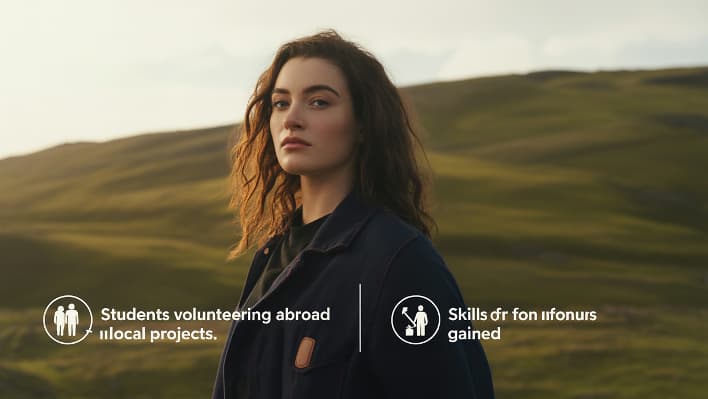
Volunteering often appears simple at first glance. But reality quickly proves otherwise. A week at a community center in Manchester involves managing schedules, coordinating a small team, and solving unexpected problems. Abroad, the stakes feel higher. In rural Cambodia, students haul bricks under the scorching sun, negotiate with local carpenters, and reorganize tasks when materials fail to arrive. Even small, seemingly unrelated lessons appear-like comparing how Curacao betting sites for UK players are regulated versus local platforms-revealing how rules, culture, and technology intertwine.
International Volunteering: Everyday Challenges
In Guatemala, buses rarely run on time. Dirt roads turn into mud tracks after rain. Volunteers sometimes arrive at schools to find supplies missing or students absent. One day, a team arrived to build desks only to discover planks had been delayed by flooding. Improvisation became essential: splitting into smaller groups, carrying materials manually, adjusting lesson plans.
Language adds complexity. Even with basic Spanish, accents and regional slang create confusion. Gestures, facial expressions, and timing suddenly matter as much as words. Volunteers quickly learn to pause, observe, and repeat instructions.
Tasks change daily. Morning: teaching English. Afternoon: laying bricks. Evening: documenting supplies. Resources are limited. Outcomes are gradual. This unpredictability forces problem-solving, adaptability, and patience.
Local Volunteering: Continuity and Responsibility
Closer to home, lessons are subtler but no less significant. In a Bristol community garden, students track seedlings, turn compost piles, and maintain watering schedules. Miss a session, and plants wilt. Coordination is meticulous. Volunteers log every task. Neighbors notice effort. Trust and accountability grow over weeks.
Motivation is internal. No exotic location, no sudden excitement. Errors have immediate consequences. Poorly organized food drives left boxes of donations untouched for days. Students quickly learned planning, communication, and follow-through are critical. Local volunteering develops practical skills: delegating tasks, managing schedules, resolving conflicts. Every small responsibility contributes to growth.
Skills in Action
Both international and local volunteering develop complementary skills.
Abroad, students gain:
- Cross-cultural communication-negotiating with villagers, explaining tasks across language barriers.
- Emotional resilience-handling delayed shipments, sudden rain, or absentee volunteers.
- Adaptability-managing shifting roles and responsibilities.
Locally, students gain:
- Leadership-organizing teams and delegating responsibilities.
- Long-term planning-tracking progress over weeks or months.
- Practical problem-solving-managing logistics and coordinating volunteers.
Students participating in both report nuanced teamwork: knowing when to lead, follow, or step back. They learn flexibility, not just in tasks, but in human interaction.
Ethical Awareness
Volunteering teaches consequences. Well-intentioned actions can fail. Abroad, students confront privilege, sustainability, and cultural norms. Locally, they face subtle inequality, resource shortages, and community politics.
Reflection is concrete. Who benefits? Who decides? What happens after volunteers leave? Students shift from acting for the sake of action to considering long-term impact. Even small digital lessons matter: understanding the regulations behind Curacao betting sites for UK players abroad emphasizes the importance of oversight and responsible behavior.
Academic and Career Value
International volunteering signals adaptability, cultural awareness, and problem-solving under unpredictable conditions. Local volunteering demonstrates reliability, leadership, and sustained engagement. Both experiences are valued by universities and employers.
Practical exposure also clarifies career direction. Teaching English in Nepal may spark interest in education policy. Coordinating urban youth programs in Manchester can inspire careers in social work or public administration. Experiential learning reveals skills and preferences that theory alone cannot.
Combining Experiences
The debate shouldn’t be “abroad versus local.” Both provide distinct insights. Early-stage students benefit from local projects offering mentorship and structure. Experienced students often gain most abroad, challenged to adapt and broaden perspective.
The most effective learning happens when both are combined. Local volunteering builds responsibility, consistency, and ethics. International volunteering stretches adaptability, perspective, and resilience. Together, they provide practical understanding of teamwork, problem-solving, and social impact.
Real-World Examples
- In Kenya, volunteers constructing water wells coordinate with elders, adjust to unexpected rain, and manage local labor schedules.
- In Poland, students running urban youth programs handle attendance issues, plan activities, and mediate conflicts.
- Digital lessons emerge too. Comparing Curacao betting sites for UK players with local platforms abroad teaches students about compliance, oversight, and the importance of understanding systems before acting.
Conclusion
Volunteering is hands-on education. At home or abroad, students encounter unpredictability, consequences, and human complexity. Local projects teach patience, consistency, and practical problem-solving. International placements challenge adaptability, cultural awareness, and resilience.
These lessons are tangible, lasting, and influential. They shape academic paths, career choices, and civic engagement long after the project ends. Volunteering is not merely an activity-it is a living classroom, where students learn through action, observation, and reflection.


 1506 Kelly Drive
Charles Town, WV 25414
1506 Kelly Drive
Charles Town, WV 25414 +1 304-930-0360